Product focus: Dressing conformability and silver-containing wound dressings
01/09/10 | Acute wounds, Complex wounds, Infection | Phil Bowler, Samantha Jones, Victoria Towers, Rebecca Booth, David Parsons, Mike Walker
Background: All wounds have unique and irregular topographies, including cavities where fluids and bacteria may collect and increase the risk of wound infection. Aims: To qualitatively and quantitatively investigate the relationship between the physical structure of antiseptic wound dressings and their ability to manage bioburden in models that simulate clinical conditions.
Methods: In vitro models were utilised to enable both visualisation of the conformability of silver-containing dressings with a simulated wound tissue surface, and measure the corresponding antimicrobial effect that these dressings had on a shallow wound microbial model. Results: Tissue contact and antimicrobial activity was shown with a silver-containing Hydrofiber® dressing (HF-Ag) over a 48-hour contact period. In contrast, the silver-containing foam dressings tested demonstrated areas of non-conformability which were associated with reduced antimicrobial activity. Conclusions: These in vitro studies confirm that both dressing conformability and silver availability to bacteria at the wound surface are critical to the optimum functioning of silver-containing dressings. Conflict of interest: The study was sponsored by ConvaTec.
Chronic wounds are polymicrobial, with bacterial colonisation originating from external sources such as surrounding skin, the gut and the mouth. As a consequence, an often complex bacterial burden exists, predominantly in superficial wound tissue, which has the ability to compromise wound progression [1]. To minimise the opportunity for infection in chronic wounds, it is important that the bioburden is controlled and maintained in a state that is not problematic to the host, as increasing bioburden can lead to chronic inflammation and increased risk of infection. In this respect, wound management practices such as cleansing, sharp debridement and the use of antimicrobial dressings are important within a protocol of care.
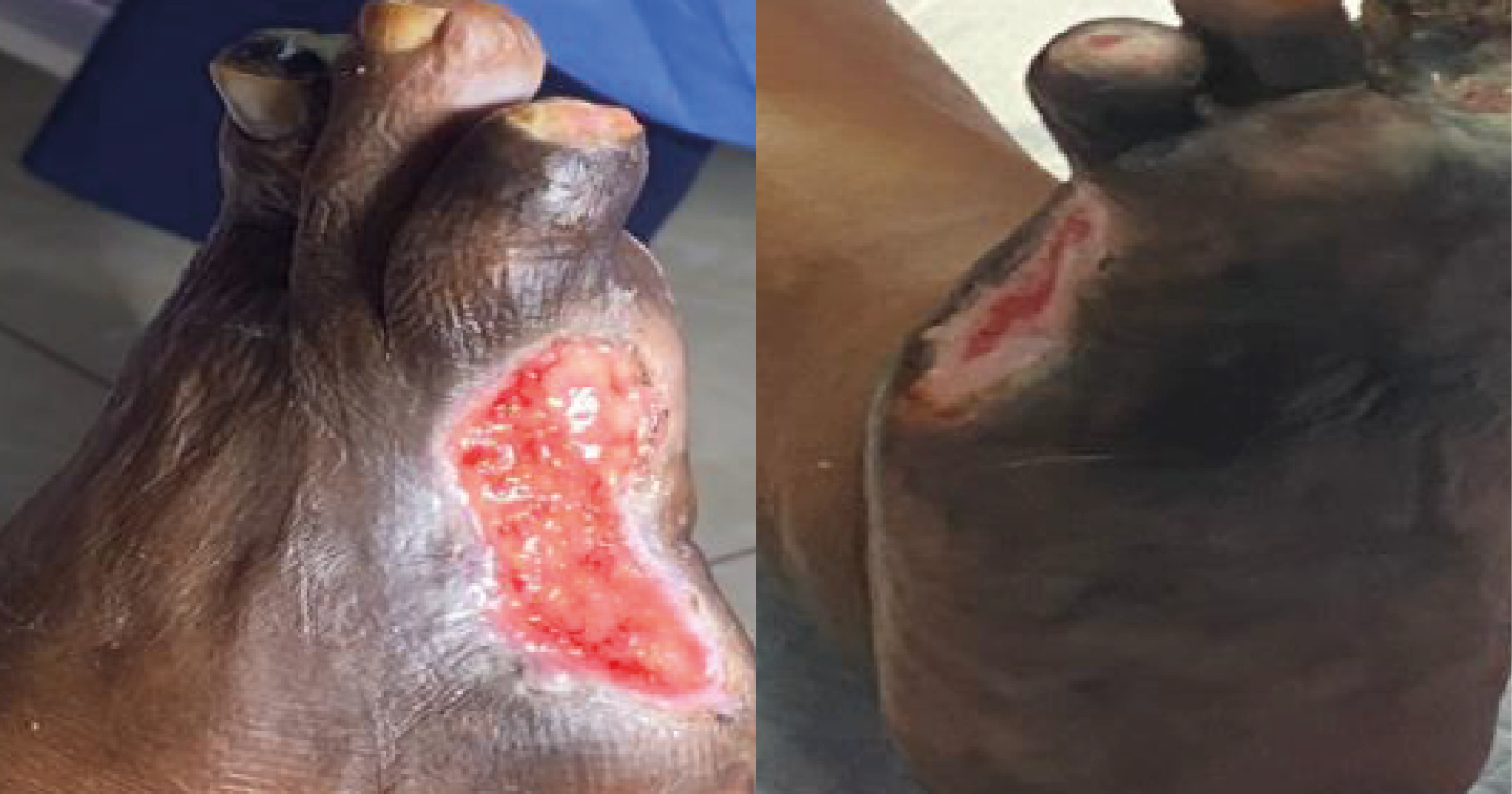
When considering the use of antimicrobial dressings, many factors will influence the likely potency of the dressing. Wound-related factors include wound depth and size, amount of devitalised tissue, wound bioburden and the presence of biofilm. Dressing-related factors include the type and concentration of antimicrobial agent, availability of the agent from the vehicle in which it is contained, and the ability of the dressing to closely contact the surface of a wound and hence maximise exposure of the bioburden to the antimicrobial agent. This latter factor is challenged by the fact that chronic wounds are anatomically highly variable; they may vary in depth from sinuses and penetrating pressure ulcers to relatively shallow leg ulcers. All wounds have unique and irregular topographies, including cavities where fluids may collect, and result in the creation of 'dead spaces' [2,3]. This fluid may contain harmful components (eg bacteria and cellular debris) which may increase the risk of wound infection [4].
In the in vitro studies described in this paper, models were developed and utilised that enabled both visualisation of the conformability of silver-containing dressings with a simulated wound tissue surface, and the corresponding antimicrobial effect that these dressings had on a shallow wound microbial model.
MATERIALS
The silver-containing wound dressings used are listed in Table 1.
Table 1 - List of silver-containing dressings used