Things never stand still

25/05/10 | Leg ulcers | Suzie Calne

Things never stand stillSuzie Calne reports on a number of new launches for Wounds International.


Everything moves at such a pace that sometimes it is hard to see where changes occur and to evaluate whetther change is a good thing. I am confident that the pace of change for Wounds International is only good and reflects the declaration made, that the Wounds International Journal will develop and grow according to the needs of our online visitors.

This issue sees the evolution of the journal into an electronic page-turning publication. This is intended to make viewing and reading of the journal easier. It is still possible to dip in and out of the journal, but the impression is much more like a paper publication without the environmental drain. For those who like to read the journal as a text-based edition, we have kept this facility to allow readers to view the individual articles.

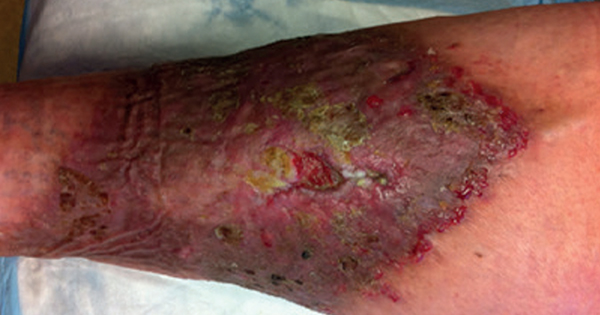
The topic focus for this quarter is on venous leg ulcers and I am delighted that this links into the launch of our new multimedia initiative called '5 minutes, 5 questions'. This is an exciting development and marks the beginning of many dynamic e-learning opportunities. The short video interviews give clear, precise information delivered by experts and are well supported by the massive Wounds International archive, making this a really useful teaching package.

With the inclusion of four sponsored 'made easy' sections this is a bumper issue. Topics include: Biofilms; NPWT: settings and dressing choices; and Wound infection and pain management made easy. In addition we have expanded the series to include Products for Practice Made Easy. This allows clinicians to access really helpful materials about dressings and devices in relation to their mode of action and how to use them effectively in practice.

The month of May also sees the launch of two new Wounds International documents. The first is an international review called Pressure, shear, friction and microclimate in context: a consensus document. This document brings to life and clearly explains some of the difficult concepts associated with pressure ulcer development.

The second document is a template for management on Developing a negative pressure wound therapy service. It is designed to support healthcare professionals and managers in securing funding and creating an integrated service to ensure all patients receive appropriate therapy when they need it.

Disruption caused by volcanic ash led to the postponement of the first Wounds International Masterclass on wound diagnostics. This key event will now be held on 30 June in Manchester in the UK and interested clinicians still have the chance to attend. This timely event coincides with exciting new developments in diagnostics that create possibilities to influence better management of chronic wounds.
 
Most importantly, the first Wounds International conference to be held in Cape Town in Febuary 2011 is also moving at an impressive pace. It is going to be worth finding a way of becoming involved in this important event. This can be either by attending in person or participating in various post-event activities. This will include online access to content, resources and tools via the Wounds International website as well as a virtual exhibition. The conference will aim to provide a shared learning experience and have a dual role of appealing to a local audience and the international wound care community.

With these developments, we believe that Wounds International provides a wide range of dynamic activities and resources that offer clinicians from around the world immense opportunities to keep moving with the pace of change.

Suzie Calne
Editor, Wounds International


If you would like to contribute to a future issue of the journal, please contact Suzie Calne, the editor of Wounds International at: scalne@woundsinternational.com